
Alzheimer's
/ Dementia
What Is Dementia?
Dementia is cognitive decline where many mental abilities are lost. Patients may experience memory loss, difficulty reading, writing, speaking, following conversation, reasoning, calculating, organizing and planning
Forget names, faces, activities, events, where a car is parked, passwords, phone numbers, how to prepare a meal, maintain personal hygiene.
4 Types Of Dementia
1. Alzheimer’s disease -is most common and the easiest to reverse
2. Vascular dementia- caused by reduced blood flow to the brain by multiple small strokes
3. Fronto-temporal dementia- less common, shows changes in behaviour, memory problems, difficulty speaking
4. Lewy body dementia- fairly common, visual hallucinations, delusions, sleepiness, flinging limbs in sleep.
Key Points
- Dementia is believed to be incurable and largely untreatable,
- It is one of the top 10 causes of death in Western world, and the only one with no effective medical treatment- educate, prevent
- Current Alzheimer’s drugs cannot slow or stop the progression, at most for a very limited time ( the reason is that the approach is singular and does not address multiple reasons that cause dementia)
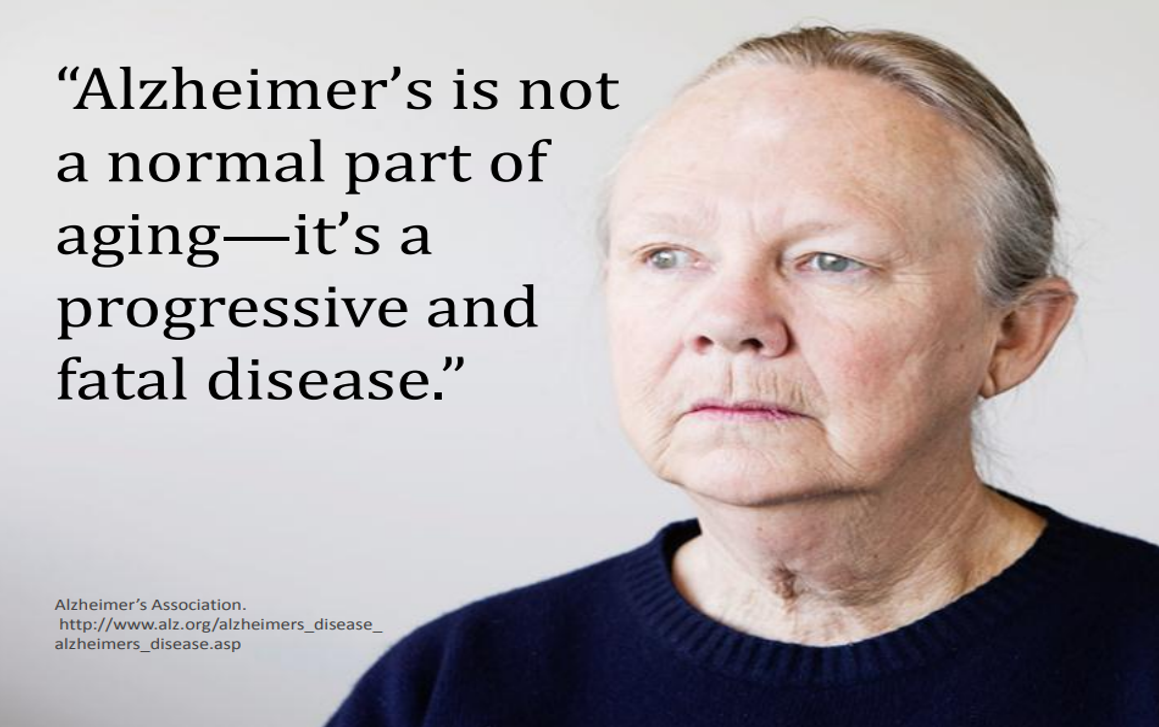
- It is a fatal, devastating disease
- The symptoms include loss of memory, the capacity to think, the ability to live a full and independent life
- It is thought is that it is caused by the accumulation of sticky synapse-destroying plaques made of protein called amyloid-beta
The thought has been that is the plaques are destroyed, the disease will be reversed, but patients did not get better by reducing plaques, they actually got worse. Dementia is unfortunately seen as a single disease. Donepezil and Memantine, are 2 drugs used to treat dementia.
Donepezil
Donepezil is a cholinesterase inhibitor, it blocks cholinesterase from destroying acetylcholine (neurotransmitter)- increase communication between neurons. Acetylcholine is reduced in Alzheimer’s; BUT increasing Acetylcholine does not slow down or cause Alzheimer’s- and brain makes more cholinesterase. So the drug does not work for long. Side-effects are- diarrhea, nausea, vomiting, headache, joint pain, drowsiness, loss of appetite, bradycardia.
Memantine
Memantine is used later in the disease, with Donepezil it Inhibits transmission of brain signals via glutamate (excitatory neurotramsmitter), it Inhibits glutamate’s excitotoxic effect but also inhibits neurotransmission critical to memory formation.
Neither drug treats the cause of Alzheimer’s. Each type of Alzheimer’s needs different treatment, each is driven by different biochemical processes. Alzheimer’s can be prevented and in many cases reversed. Dr. Dale Bredesen has reversed over 100 cases, over 3 decades of research. He teaches personalized therapeutic programmes. It is best to address at the mild cognitive impairment stage or subjective cognitive impairment stage treat young, even in 40’s forgetfulness is not normal.
- APO E4 genetic variant can be tested (apolipoprotein E)
- An apolipoprotein is a protein that carries lipids
- ApoE4 is the strongest known genetic risk factor for Alzheimer’s
- Carrying one ApoE4 from 1 parent increases the risk of Alzheimer’s by 30%
- Carrying 2 copies increases the risk by 50% (or more)
- No copy of the allele gives a 9% risk
- This test can be done by doing a buccal swab/ finger prick test- Nordic laboratories
- Many other factors need to be taken into consideration and genes are not your destiny
- The genes load the gun, lifestyle and other factors pull the trigger
Alzheimer's Dementia
- Alzheimer’s disease- is characterized by amyloid plaques and neurofibrillary tangles – diagnosed by these
- Diagnosed by PET and CSF identifies the presence
- Alzheimer’s is usually diagnosed on symptoms- memory loss and loss of ability to care for oneself
- Is fatal if left untreated
- MRI may show brain shrinkage
- Subjextive cognitive impairment –SCI
5 Subtypes Of Alzheimer’s Dementia
- 42 different reasons a memory may be affected, usually a patient has 10-12 reasons per patient, all different
- Know the type of dementia, treat accordingly
- Successful treatment if you know the WHY they are unwell
Inflammatory
1. B Glycotoxcity
2. Atrophic
3. Toxic
4. Vascular
5. Traumatic
- Working late at night
- Late night snacking especially sugar resulting in high insulin before bed and while sleeping
- Not managing stress and rushing- causes increased cortisol which damages the hippocampal neurons
- High glycaemic/inflammatory food- causes insulin spikes and gut damage
- Medical drugs eg. PPI’s affect absorption of nutrients eg. Zinc, B12, magnesium
- Statins increase risk of brain atrophy
- Not fasting long enough, causes no autophagy and removing amyloid plaques – fasting heals the brain
- Lack of exercise
- Head injuries – shrinking of brain, loss of neurons and connections
- Low sun exposure- causes low D3
- Smoking – lack of oxygen and toxins
- Toxins
- Not flossing – oral bacteria affects cognition
- Excessive dental work
- Leaky gut, leaky BBB- toxicity
- Mould
- Not enough mental stimulation
Alzheimer’s Disease and Brain Photobiomodulation | Mechanisms and Clinical Results with Vielight Neuro
Alzheimer’s disease (AD) remains one of the most challenging and devastating neurodegenerative conditions affecting millions worldwide. Characterized by progressive cognitive decline, memory loss, and behavioral changes, AD not only affects the individual but also imposes a significant burden on caregivers and healthcare systems. Despite extensive research, effective treatments for AD are still elusive. However, a promising avenue of investigation has emerged in recent years – brain photobiomodulation (PBM).
Brain PBM, also known as transcranial light therapy or low-level light therapy, involves the non-invasive application of high-power density NIR light energy through the scalp, to the brain, stimulating cellular function and promoting tissue repair. While initially explored for its potential in wound healing and pain management, researchers are increasingly investigating its therapeutic effects on neurological disorders, including AD.
Read the full Alzheimer’s Disease study with the Vielight Neuro here: Link
Understanding Alzheimer’s Disease
Before delving into the potential of PBM in AD, it’s crucial to grasp the underlying mechanisms of the disease. AD is characterized by the accumulation of beta-amyloid plaques and tau protein tangles in the brain, leading to neuronal dysfunction and eventual cell death. Additionally, oxidative stress, inflammation, and impaired mitochondrial function contribute to the progression of the disease.

The mechanisms of brain photobiomodulation
How Photobiomodulation Works against Alzheimer’s Disease
When near-infrared light energy penetrates the scalp and skull, reaching neuronal tissue – it is absorbed by mitochondria, enhancing cellular metabolism, increasing ATP production, and reducing oxidative stress and inflammation.
The therapeutic effects of PBM in AD are thought to stem from its ability to modulate various cellular processes implicated in the pathogenesis of the disease.
One key mechanism of PBM against AD is the stimulation of mitochondrial function. Mitochondrial dysfunction is a hallmark of AD and is believed to contribute to neuronal degeneration. By enhancing mitochondrial activity, PBM may help improve cellular energy production and mitigate oxidative stress, thereby protecting neurons from damage.
Besides that, by reducing oxidative stress, PBM may mitigate neuronal damage and promote cellular survival. Oxidative stress arises from an imbalance between the production of reactive oxygen species (ROS) and the body’s ability to detoxify them, leading to cellular damage and dysfunction. PBM has been shown to enhance the activity of antioxidant enzymes, such as superoxide dismutase (SOD) and catalase, while simultaneously reducing the production of ROS. This dual effect helps to restore redox balance within neurons, thereby protecting them from oxidative damage and promoting cellular survival. By targeting oxidative stress, PBM may offer neuroprotective benefits in AD, potentially slowing disease progression and preserving cognitive function.
PBM has also been shown to modulate inflammatory pathways, potentially attenuating neuroinflammation, which is another hallmark of AD. This anti-inflammatory effect of PBM holds significant implications for the treatment of AD, as chronic neuroinflammation contributes to neuronal damage and cognitive decline.
Furthermore, PBM has been shown to promote neurogenesis and synaptogenesis, processes essential for maintaining cognitive function and synaptic plasticity. By stimulating the growth of new neurons and strengthening synaptic connections, PBM may help counteract the neuronal loss and synaptic disruption characteristic of AD.
How Does NIR Light Energy Reach the Brain?
In order to deliver NIR energy to the brain through the skull, scalp and hair to trigger photobiomodulation, this requires 3 important factors:
- NIR light energy wavelengths: 810nm to 1100nm
– optimal penetrance based on the body’s optical window. - A form factor that bypasses hair and maximizes contact with the scalp
– hair absorbs light energy.
– light energy becomes weaker from distance, according to the inverse square law of light. - Sufficiently high power density/irradiance: 100+ mW/cm²
– sufficient power density/irradiance is required for light energy to penetrate the scalp and bone.
Clinical Evidence of PBM and Alzheimer’s Disease
Several preclinical studies have demonstrated the beneficial effects of PBM in animal models of AD. For instance, a study published in Neurobiology of Aging by De Taboada et al. (2011) showed that transcranial PBM reduced beta-amyloid plaques and improved memory in a mouse model of AD.[1] Similarly, another study by Yang et al. (2018) in Neurophotonics reported that PBM decreased tau protein hyperphosphorylation and alleviated cognitive deficits in AD mice.[2]
Clinical Research with the Vielight Neuro Gamma

The Vielight Neuro Gamma
Clinical evidence with the Vielight Neuro suggests that PBM may offer therapeutic benefits in human patients with AD.
A pilot study conducted by Saltmarche et al. (2017) with the Vielight Neuro and published in Journal of Alzheimer’s Disease found that transcranial PBM improved cognitive function and activities of daily living in patients with mild-to-moderate AD.
In 2019, Dr. Linda Chao, a professor in the Departments of Radiology, Biomedical Imaging and Psychiatry at the University of California, verified our 2015 dementia pilot trial with her own independent brain photobiomodulation dementia study with the Vielight Neuro Gamma on participants with dementia.[2]
Eight participants diagnosed with dementia were randomized to 12 weeks of usual care or home photobiomodulation(PBM) treatments. The PBM treatments were administered at home with the Vielight Neuro Gamma, a brain photobiomodulation device that emits 100 mW/cm2 of power density at 810nm and 40hz.
Several types of assessments were used:
- Alzheimer’s Disease Assessment Scale-cognitive subscale and the Neuropsychiatric Inventory at baseline and 6 and 12 weeks
- Magnetic resonance imaging (MRI) and resting-state functional MRI at baseline and 12 weeks.

Results:

Figure 1. ADAS-cog (A) and NPI-FS (B) scores in the PBM (blue line) and UC (red line) groups by time. Lower scores on both measures indicate better function.
After 12 weeks, there were improvements in ADAS-cog and in the NPI.
A summary measure of the individual domain scores: higher NPI-FS scores reflect more severe/more frequent dementia-related behavior.
In this study, the PBM group improved an average of -12.3 points on the NPI-FS after 6 weeks and -22.8 points after 12 weeks of treatments.
By comparison, previous pharmacological trials of donepezil reported no difference from placebo on behavioral symptoms measured by the NPI and no difference on quality of life.
Importantly, there were no adverse effects associated with the PBM treatments in this or Saltmarche et al.’s study. In contrast, many of the Food and Drug Administration approved pharmacological treatments for dementia have been associated with substantial side effect burden, such as diarrhea, vomiting, nausea, and fatigue.

Figure 2 Increased cerebral perfusion with the Vielight Neuro Gamma
The third finding of this study is that cerebral perfusion (CBF) increased after 12 weeks in the PBM group compared to the UC group. This finding is consistent with previous reports of PBM-related increases in local CBF, oxygen consumption, total hemoglobin, a proxy for increased rCBF, rCBF, and increased oxygenated/decreased deoxygenated hemoglobin concentrations.
Interestingly, the PBM-related increases in perfusion were most prominent in the parietal ROIs. This may relate to the fact that the Vielight Neuro Gamma used in this study had three transcranial LED clusters over the parietal lobe and only one transcranial LED cluster over the frontal lobe. This finding may also be explained by the report that NIR light penetrates more deeply through the parietal lobe compared to the frontal lobe due to the higher power density of the rear transcranial LED modules .
Connectivity changes in the DMN have been described in populations at risk for AD as well as in patients with AD. Because decreased DMN connectivity is a common finding in resting-state connectivity studies of AD, it is significant that there was increased functional connectivity between the PCC and the LP nodes of the DMN in the PBM group after 12 weeks compared to the UC group.
There have been reports of increased functional connectivity in the DMN after pharmacological treatments in mild-to-moderate AD patients. There have also been studies that reported changes in functional connectivity after nonpharmacological intervention in patients with MCI. To our knowledge, this is the first report of functional connectivity changes in dementia patients after a nonpharmacological intervention.
Neuro RX Gamma – Phase 3 Clinical Trial
We are running a Phase 3 Alzheimer’s Clinical Trial to test the efficacy of brain photobiomodulation via the Vielight Neuro RX Gamma (Neuro Gamma) for FDA approval. This would add to our roster of Health Canada Medical Device license for the acceleration of the recovery of upper respiratory symptoms in viral infections, such as COVID-19 with the RX-Plus (X-Plus 4).
Conclusion
Alzheimer’s disease poses a significant challenge to global health, necessitating innovative approaches for treatment and management. Brain photobiomodulation represents a promising therapeutic modality that harnesses the power of light to stimulate cellular function and promote neuroprotection. While further research is warranted, the emerging evidence suggests that PBM may offer hope for individuals living with AD and their families.
In conclusion, brain photobiomodulation holds tremendous potential as a non-invasive, safe, and effective intervention for Alzheimer’s disease. By addressing underlying pathological mechanisms and promoting neuronal health, PBM may usher in a new era of treatment for this devastating condition.
Dr. Norman Oberman, PhD, Co-Founder Los Angeles Institute for Psychoanalytic Studies, found that his cognition and mental acuity improved through brain photobiomodulation with the Vielight Neuro Gamma.